How Long Do PortaWell Filters Really Last?
PortaWell Admin
Author
A No-BS Guide for Campers, RVers, and Weekend Warriors
"How long will my filters last?" is the question we hear more than any other. The honest answer is: it depends. That's not a dodge. Filter life comes down to three things you control, and once you understand them you can make a good call yourself.
Quick answer: how long do water filters last? It depends on three things you control: your source water, how many gallons you run, and how you care for filters between uses. Replace the prefilter and NanoCeram when flow slows noticeably. For the carbon and AquaMetix, treat the rated gallons as a minimum, and replace them at the season limit or when taste or color changes. Do that, and seasonal users can expect several seasons from a set of filters.
This guide comes from years of off-grid use, RV trips, hunting camps, and customer feedback, along with what the filter makers themselves publish.
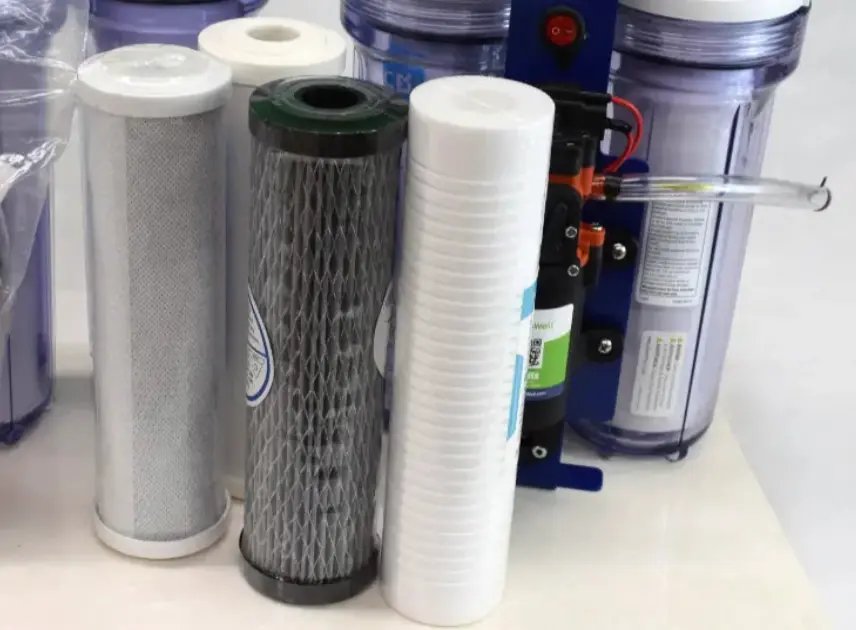
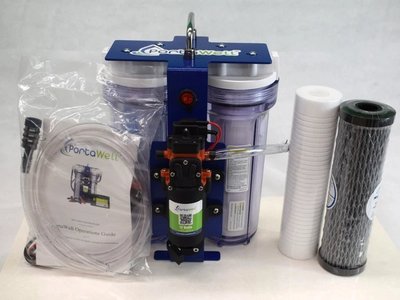
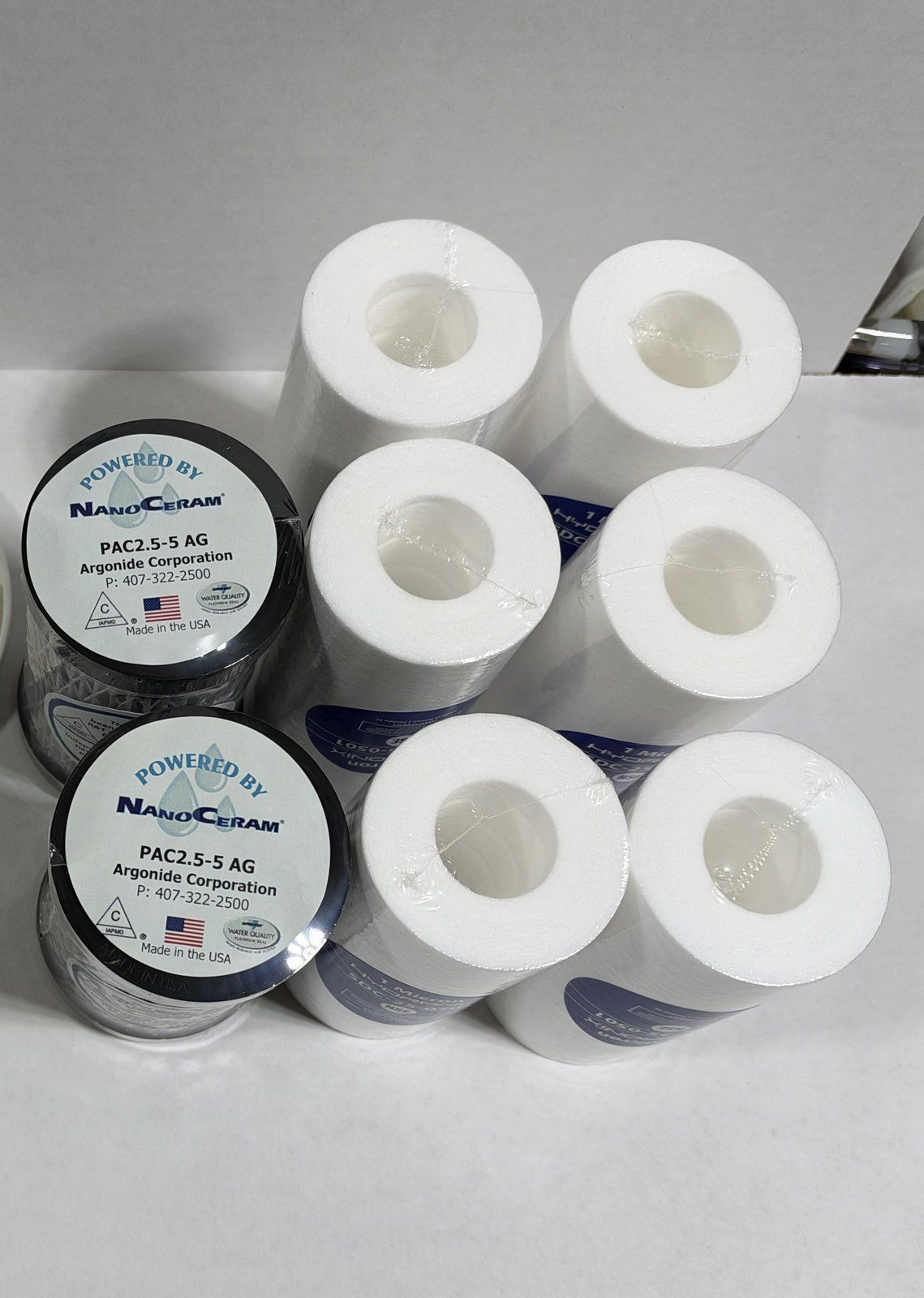
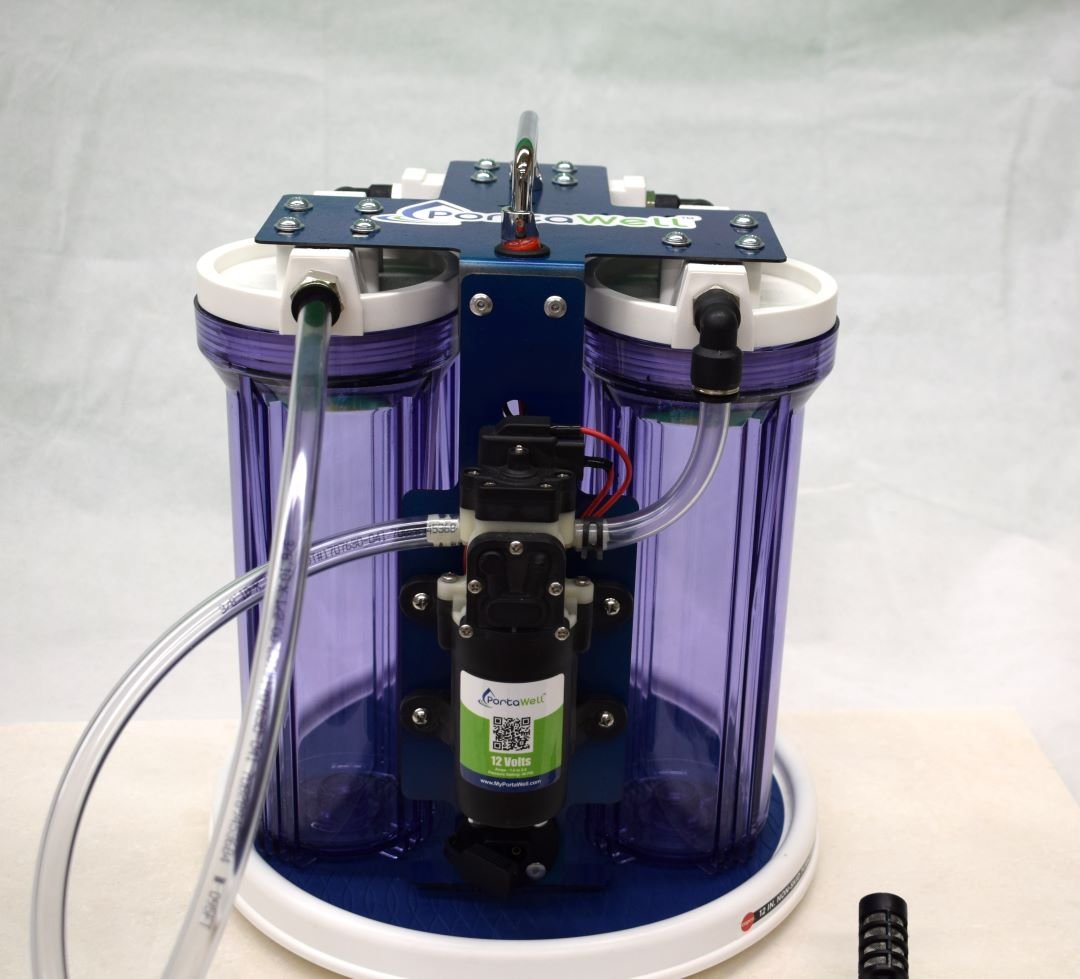
Sediment prefilter, NanoCeram and activated carbon block: the three filter types this guide covers.
The 6-Month Filter Replacement Rule
You'll see "replace every 6 months" on a lot of filter boxes. That number isn't wrong. It's written for the worst case: heavy daily use, dirty water, and no care between uses.
If that's not you, your filters can last much longer. If it is you, six months may be optimistic.
Three Things That Decide How Long Water Filters Last
1. Your Source Water
Filters work by subtraction: they pull contaminants out of the water and hold onto them. Particles like silt, clay, organic debris, cysts, and bacteria gradually clog the filter. Chemical contaminants like pesticides, herbicides, and heavy metals use up the carbon's capacity to grab them. Either way, every filter has a limit.¹,²
The dirtier the water going in, the sooner you hit that limit. A few easy habits make a big difference:
- Pick the clearest source available, and draw from moving water rather than a stagnant pool when you can.
- Don't stir up the bottom when you fill your container.
- If the water is cloudy, let a bucket settle for an hour or two and pour off the top.
Keep in mind that clear water isn't the same as safe water. It's just easier on your filters. If muddy water is all you've got, PortaWell will still handle it. Your filters just won't last as long.
2. How Much Water You Run
Filters are rated in gallons, not months.³ Someone running 50 gallons a day in a full-time RV will wear through filters far faster than a weekend camper who fills a few jugs per trip.
Counting gallons matters most for the carbon and AquaMetix filters; more on why below. You don't need a meter. A rough count is plenty: "about 10 gallons a trip, 6 trips this summer" tells you most of what you need to know. Jot it on the filter's storage bag at the end of each season.
3. How You Care for Filters Between Uses
Wet filters sitting in a dark housing are a perfect home for mold, slime, and bacteria. If more than 48 hours will pass before you use the system again, drain the housing and dry the filters. This single habit does more to extend filter life than anything else in this guide. The routine is below.
When to Replace a Filter Cartridge: How to Tell It's Done
How you know a filter is done depends on how it works, and your PortaWell has two kinds.
Prefilter and NanoCeram: Watch the Flow
These filters work by trapping particles, and as they fill up, flow slows noticeably. When filling a jug takes much longer than it used to, replace the prefilter first, since it's the cheapest and usually the culprit. If flow is still slow with a fresh prefilter, the NanoCeram is due.
Carbon and AquaMetix: Track the Gallons
These filters work by adsorption: chemicals stick to sites on the media until the sites are used up. Flow doesn't change when that happens. On lakes and rivers, natural organic matter like tannins usually uses up carbon first, and that does give a warning: a tea-colored tint, an earthy taste, or a chlorine taste or odor coming back. Heavy metals and pesticides give no warning, so treat the rated gallons in the list below as a minimum, not a limit.
Any filter: replace it if it smells musty, shows mold, or has any physical damage. Also replace the NanoCeram and carbon after filtering floodwater or any water you know is contaminated with sewage or chemicals.
High-risk water: for floodwater or any water that may contain sewage, disinfect after filtering by boiling or using chlorine dioxide tablets. Filtered water disinfects far more effectively than raw water.
Expected Filter Life (Seasonal Use, Dried and Stored)
A "season" here means 1–2 months of use, followed by drying and storage until the next trip.
- 1 µm poly prefilter: Replace when: Flow slows noticeably. Typical seasons: 3–6+. Why: Inexpensive, dries quickly, catches the heavy load so the others don't have to.
- NanoCeram PAC: Replace when: Flow stays slow with a fresh prefilter, or 5 seasons, whichever comes first. Typical seasons: 3–5. Why: Pleated design resists clogging; protected by the prefilter¹.
- Carbon block: Replace when: Season limit, or taste or color change (rated minimum: 500 gallons). Typical seasons: 2–4. Why: Protected by the two filters upstream.
- AquaMetix: Replace when: Season limit, or taste or color change (rated minimum: 1,750 gallons). Typical seasons: 2–3. Why: Dense media dries more slowly.
Gallon figures are conservative minimums. In clean water from large rivers and lakes, expect considerably more; the season limit and changes in taste or color will usually tell you first.
When in doubt, replace. The NanoCeram is your germ barrier and the carbon or AquaMetix is your chemical barrier. A new filter costs far less than getting sick. If the printed guidance on a specific filter is stricter than this list, follow the printed guidance.
How to Store Water Filters Between Trips: Flush, Dry, Store, Restart
Step 1: Flush It Clean
Run 3–5 gallons of the cleanest water you have through the system, not the muddy source you've been filtering. This clears out loose sediment and debris before storage.
Step 2: Dry It Thoroughly
- Pull all the filters.
- Stand them upright and let them drain for 24 hours.
- Air-dry for 2–3 days in the shade with good airflow. A fan works great.
A few filter-specific tips:
- Prefilter: rinse off any loose crud and give it a good shake.
- NanoCeram: stand it so the pleats stay open; it dries quickly.
- Carbon block and AquaMetix: these dry the slowest. Pick up a new one sometime so you know how light a dry filter feels. A used filter that still feels heavy, or cool to the touch, needs another day.
When in doubt, give it another day. Skip the heat lamps, ovens, and hair dryers. Avoid leaving filters in direct sun for days at a time, since prolonged UV breaks down plastic and housings can get very hot.
While the filters dry, rinse out the empty housings and caps. Slime grows there too. Wash them with a dilute bleach solution, rinse well with clean water, and let them air-dry.
Step 3: Store It Smart
- Slip each filter into a paper bag or mesh sleeve. No plastic bags: they trap moisture and promote mold.
- Write on the bag the date the filter went into service and how many seasons it's been used.
- Store in a cool, dry place that stays above freezing.
- Keep filters away from gasoline, solvents, paint, and fuel cans. Carbon soaks up fumes from the air, which uses up its capacity and adds off-tastes. A closet is better than a garage.
- Don't store filters in the PortaWell housing. Even a dry filter sealed inside a closed housing traps any leftover moisture, which is exactly what mold and slime need. Store filters separately, and leave the empty housing open so it dries out too.
- Before freezing weather, drain everything. Water left in the housings or filters can freeze and crack them.
Step 4: Restart Next Trip
Before you reinstall each filter, give it a sniff and a close look. Replace it immediately if it smells musty or shows any physical damage: a cracked carbon block, torn or crushed pleats, a split or loose end cap, or a damaged seal. Damage lets water bypass the filter media entirely. Install them in the correct order (below) and run a gallon or two through the system before drinking.
Filter Order Matters (Don't Skip This)
The carbon block is the filter most prone to slime and mold. Placing it after the NanoCeram, and drying it completely before storage, keeps that from happening.
- 1 µm poly prefilter: catches the bulk of silt and sediment, protecting the more expensive filters downstream.
- NanoCeram: traps bacteria, cysts, and fine dirt before they can feed slime in the carbon.
- Carbon or AquaMetix: handles taste, chlorine, and chemicals; AquaMetix also targets heavy metals.
Reverse the order and you'll get musty water quickly.
How Long Do Unused Spare Filters Last? (Shelf Life)
Spares stored properly will be ready when you need them, including in an emergency. Keep them sealed in their original packaging, in a cool, dry place, away from fumes. Once a carbon filter's packaging is opened, it starts absorbing whatever is in the air, so leave spares sealed until you need them.
- Polypropylene prefilter: 10–15 years shelf life (sealed, unused).
- NanoCeram PAC: 13+ years shelf life (sealed, unused).
- AquaMetix: 13+ years shelf life (sealed, unused).
- Carbon block: 20+ years shelf life (sealed, unused).
Portable Water Filter Replacement: Which Cartridges Fit Your PortaWell
The MINI takes 5-inch filters. The Starter Pak and Triple System take 10-inch filters. Order spares in the size your system uses:
- MINI (5-inch): 5-inch sediment filter, 5-inch NanoCeram PAC filter, or the MINI Survivor Kit for a set of spares.
- Starter Pak and Triple System (10-inch): 10-inch sediment filter, 10-inch NanoCeram PAC filter, 10-inch activated carbon block, 10-inch AquaMetix filter, or the Survivor Kit for a set of spares.
Not sure which filters you need? See Choosing the Right Filters for Your PortaWell.
Bottom Line
There's no single number, but there is a simple answer. Use the cleanest water you can. Replace the prefilter and NanoCeram when flow slows noticeably. For the carbon and AquaMetix, treat the rated gallons as a minimum, and replace them at the season limit or when taste or color changes. Dry filters thoroughly and store them away from fumes and frost.
Do that, and seasonal users can expect several seasons from a set of filters. Your filters aren't disposable, but they aren't forever either.
The Fine Print (Short Version)
This guide is based on our field experience and what the filter makers publish. It's practical advice, not a guarantee. Every water source is different, and no filter warns you when it stops catching what you can't see or taste.
In everyday use, if you're unsure about a filter, replace it. In an emergency with no spare, keep using it: a filter past its prime is still far better than drinking untreated water, and if you can also boil or disinfect, do that too. The one exception is a filter that smells musty or moldy, because it can add contamination instead of removing it.
Sources
- Argonide Corporation, NanoCeram & NanoCeram PAC Filters data sheet, T-822-05: pleated construction, dirt-holding capacity, PAC and Agion antimicrobial options.
- AquaCera, CeraMetix 10" filter candle specification sheet: AquaMetix capacity rated in gallons per contaminant.
- NSF/ANSI Standards 42 and 53, Drinking Water Treatment Units: filter capacity is rated in gallons, not time.
Manufacturer spec sheets for the filters PortaWell sells:
- Argonide, NanoCeram primer (filter life and sizes)
- Hydronix, 5" sediment filter data sheet
- Hydronix, 10" sediment filter data sheet
- Hydronix, carbon block filter data sheet
- AquaMetix, product information