Choosing the Right Filters for Your PortaWell Water Filtration System
PortaWell Admin
Author
When clean drinking water matters most, the right filters make all the difference.
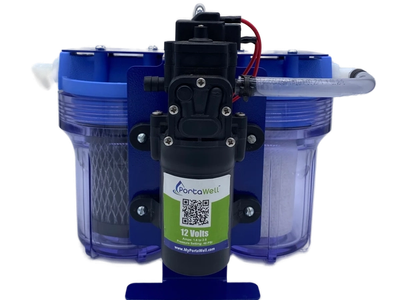
At PortaWell, we understand that when you're relying on our portable water filtration system—whether in an emergency, off-grid setting, or during outdoor adventures—you need a reliable way to reduce the most common waterborne threats. That's why each PortaWell system is shipped with two carefully selected filters: one for sediment removal, and one for microbial reduction.
These standard filters are designed to tackle the most likely contaminants found in surface water, including:
- Sediment (e.g., sand, silt, soil)
- Microorganisms (e.g., bacteria, protozoan cysts, parasites)
But every water source is different. PortaWell was designed to give you maximum flexibility in choosing the right filters for your unique situation.
Universal Filter Compatibility
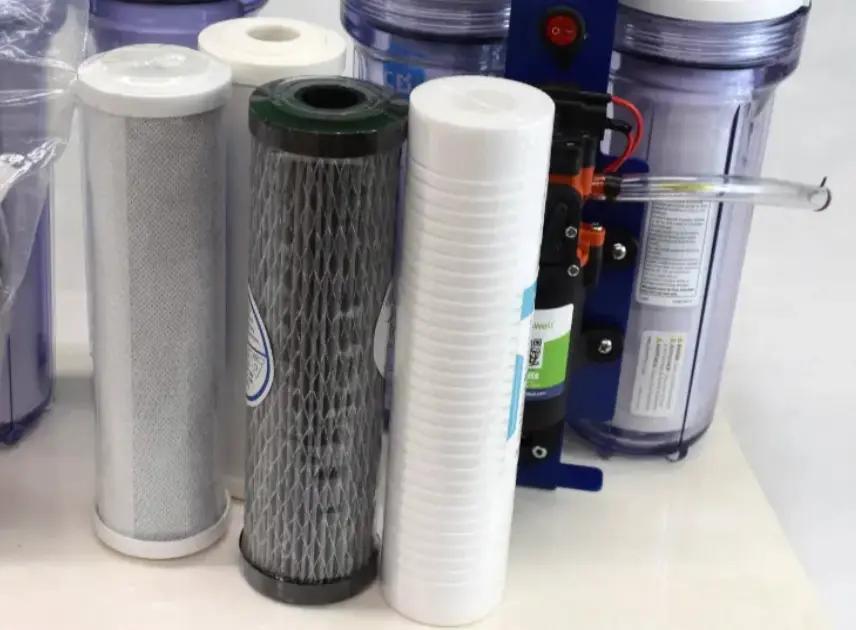
PortaWell accepts standard 10" x 2" to 2.75" open-ended filters. This deliberate design choice allows users to:
- Select filters based on their specific water conditions
- Replace or upgrade filters from multiple suppliers
- Maintain long-term usability with widely available parts
While we manufacture PortaWell units in Utah, we don’t manufacture the filters. Instead, we offer trusted third-party filters with certifications for quality and safety, stocked and available at competitive pricing for your convenience.
How PortaWell Works
PortaWell is a filtration platform, not a one-size-fits-all solution. Its power lies in the ability to adapt to your water source. In an emergency or off-grid scenario, PortaWell helps make non-potable surface water safer for human consumption by passing it through multiple stages of filtration.
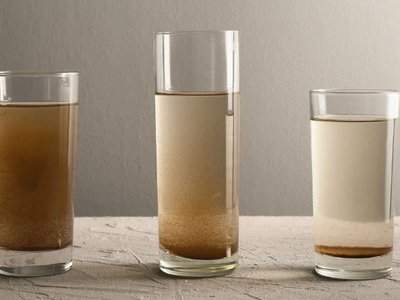
However, not every contaminant can be removed by a basic two-filter setup. Water that is heavily polluted, contains chemical runoff, or shows high turbidity (cloudiness from suspended solids or algae) may require:
- A different filter combination
- Pretreatment before filtration
What Makes a Good Filter?
When selecting filters for your PortaWell, consider the following factors:
1. Dirt-Holding Capacity
The amount of particulate matter a filter can trap before it becomes clogged. Higher is better for long-lasting performance.
2. Pore Size
Determines the size of particles the filter can physically block. Smaller pores (measured in microns) mean better filtration. Choose absolute-rated filters when you need >99.9% removal of particles above a certain size.
3. Contaminant Reduction Capability
Not all filters remove the same things. Some specialize in sediment, others in bacteria, chemicals, or heavy metals.
4. Cleanability
Some filters (like ceramic) can be cleaned and reused, while others are disposable after reaching capacity.
5. Flow Resistance (Pressure Drop)
Filters with high flow resistance require more force (or time) to process water. For portable systems, lower pressure drop is usually better.
6. Cost
Consider both initial and replacement costs. Some high-performance filters may be worth the investment, depending on your water source.
Filter Types
See the Filter Selection Guide
Best Practice: Filter Sequence
For the best results and extended filter life, follow this recommended sequence:
- Stage 1 – Sediment Filter: Removes sand, silt, and debris
- Stage 2 – Microbial Filter: Use a NanoCeram or Ceramic filter to target bacteria and cysts
- Stage 3 – Chemical Filter (optional): Use Activated Carbon or Aquametix to reduce chemicals, metals, and toxins
Tip: Turbid water (cloudy with suspended solids or algae) will clog filters faster. Whenever possible, pre-filter visibly dirty water or let sediment settle before filtration.
Final Thoughts
PortaWell is more than a filter—it's a versatile emergency water treatment system. Understanding your filter options ensures you're ready to handle a variety of water conditions. From backcountry trips to disaster preparedness, your PortaWell system can adapt to the situation—as long as you select the right filters for the job.